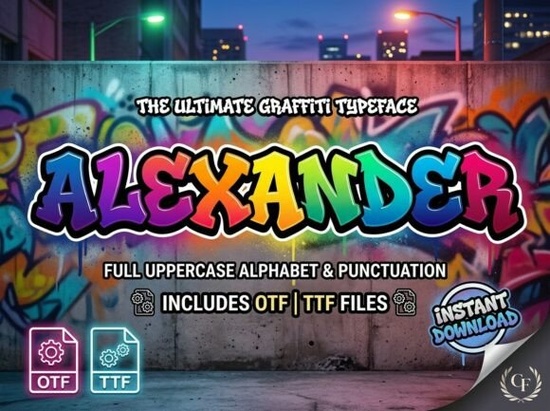
If you’ve been searching for a decorative display font that truly stands out without sacrificing professionalism, the Alexander Font might be exactly what your next creative project needs. Designed with intricate details and bold letterforms, it’s built to command attention whether you’re crafting a poster, designing apparel, or building a brand identity from scratch.
Unlike generic script or sans-serif fonts that blend into the background, Alexander brings a distinct artistic personality to every design. Its ornate curves and stylized characters make it ideal for situations where typography itself becomes part of the visual message. And because it’s crafted with balance and legibility in mind, it avoids feeling cluttered even at large sizes.
What kinds of projects work best with the Alexander Font?
This font shines in applications where impact matters more than body text readability. Think of it as your go-to for headlines, logos, and statement pieces rather than paragraphs. Here’s where it really delivers:
- Poster design: Whether it’s a movie night flyer or an art exhibition promo, Alexander ensures your headline grabs eyes instantly.
- Branding & logos: Creative studios, boutique shops, or indie musicians can use it to build a memorable visual identity.
- Apparel & merch: It translates beautifully onto T-shirts, hoodies, and tote bags especially when paired with minimal graphics.
- Social media content: Quotes, announcements, or product launches pop in feeds when styled with this font.
- Packaging design: Gives handmade goods, candles, or cosmetics a premium, handcrafted feel on the shelf.
- Music & event art: Album covers, festival posters, and DJ gig flyers all benefit from its dramatic flair.
For those exploring similar options, you’ll find more inspiration in our collection of decorative fonts that balance artistry with usability.
Is the Alexander Font easy to use across different platforms?
Yes it’s designed for real-world flexibility. The font file works smoothly on both Windows and macOS, and integrates without issues into industry-standard tools like Adobe Illustrator, Photoshop, and InDesign. But you don’t need pro software to use it effectively. It’s also fully compatible with beginner-friendly platforms such as Canva, Microsoft Word, and Cricut Design Space, making it accessible whether you’re a seasoned designer or just starting out with print-on-demand products.
This cross-platform reliability means you can mock up a logo in Illustrator, create social posts in Canva, and cut vinyl lettering in Cricut all using the same font file. No extra conversions or compatibility headaches.
How does Alexander compare to other display fonts?
Many decorative fonts lean too heavily into novelty becoming hard to read or overly theatrical. Alexander avoids that trap by blending expressive forms with structural clarity. Each character has enough uniqueness to feel custom-crafted, yet maintains consistent weight and spacing so your designs still look polished.
It’s also worth noting that while some display fonts only work in uppercase or require manual kerning, Alexander performs well in mixed case and includes thoughtful spacing out of the box. That saves time during layout and reduces the need for fine-tuning especially helpful if you’re producing multiple designs quickly for Etsy, Redbubble, or client work.
If you’d like to see the full range of styles and licensing details, you can view the official listing for Alexander Font on Creative Fabrica.
Tips for getting the most out of this font
To keep your designs looking intentional not overwhelming pair Alexander with simple, neutral typefaces for supporting text. A clean sans-serif like Montserrat or Lato creates contrast while letting the display font take center stage.
Also, avoid using it at very small sizes. Since it’s optimized for headlines and large-format visuals, readability drops below 18–20pt depending on the medium. Stick to prominent placements where its details can be appreciated.
Finally, test your output! If you’re printing on fabric or packaging, do a physical proof to ensure the fine lines hold up under production conditions. Most users find it reproduces well, but it’s always smart to verify based on your specific printer or vendor settings.
Before you start your next project, check this quick list:
- ✅ Use Alexander for headlines, logos, or hero text not body copy.
- ✅ Pair it with a minimalist secondary font for balance.
- ✅ Confirm sizing: aim for 20pt or larger for optimal clarity.
- ✅ Test print or digital mockups before finalizing bulk orders.
- ✅ Download once and use across Adobe apps, Canva, Cricut, and more.
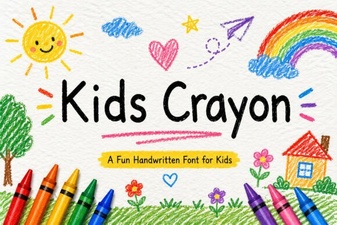 Colorful Fonts for Kids' Projects & Creative Designs
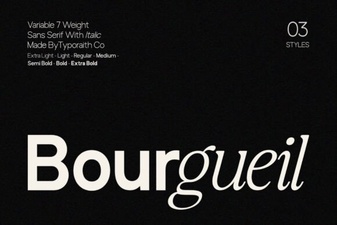 Bourgueil Font: Creative Design Inspiration
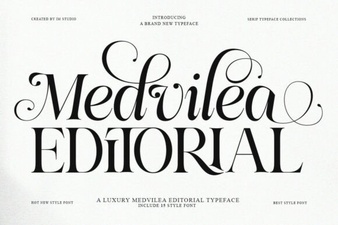 Medvilea Editorial: Creative Font Design Guide
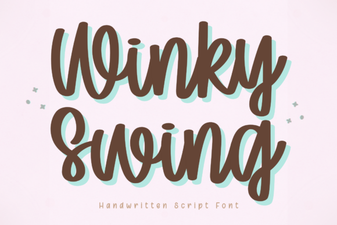 Winky Swing Font: a Fun and Playful Typeface
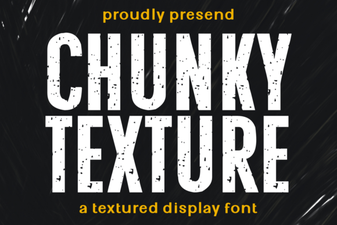 Craft Bold Designs with Chunky Font Textures
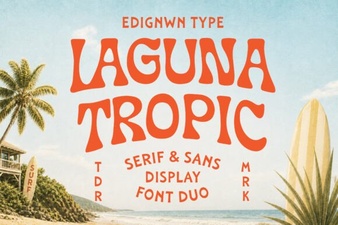 Laguna Tropic Font: Free Download & Design Tips